FarmBot: Bringing Agricultural Technology to Puerto Rican Schools
The FarmBot project started at Engine-4 with the aim of exploring, learning, and developing agricultural technology. Through a grant from the Department of Economic Development and Commerce, we secured the opportunity to install ten FarmBot units in various schools affiliated with the Puerto Rico Department of Education.
Project Overview
FarmBot is an open-source precision agriculture CNC farming robot that automates plant cultivation. This innovative technology allows students and educators to explore modern agricultural techniques, robotics, and computer programming through hands-on experience with cutting-edge farming technology.
Open-Source Innovation
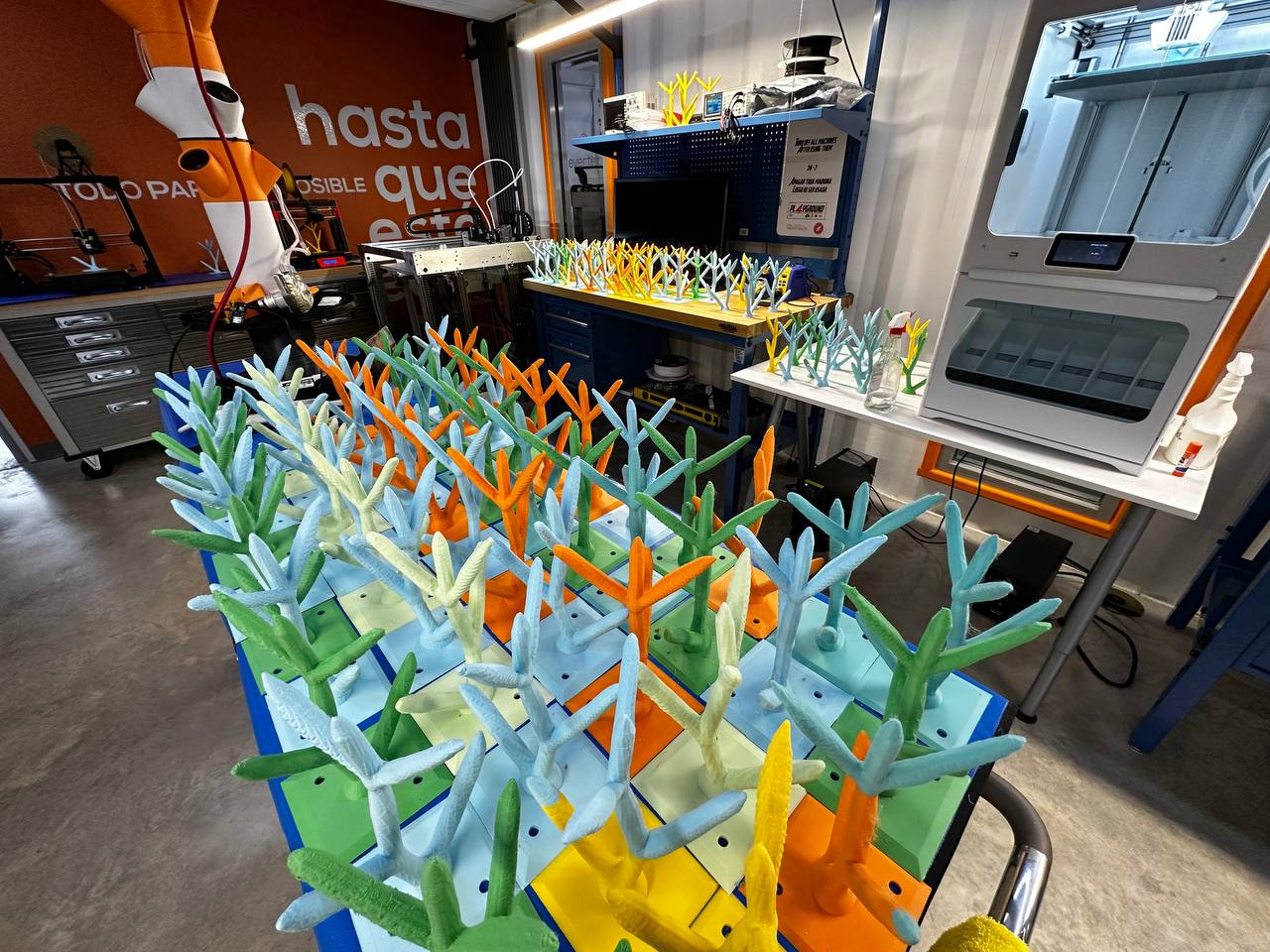
As FarmBot is an open-source initiative, we delved into the world of CNC (Computer Numerical Control) and began creating and modifying components as we acquired knowledge. This open-source approach provided valuable learning opportunities:
- Customization: Adapting FarmBot designs to local conditions and educational needs
- Innovation: Developing new components and improvements
- Knowledge Sharing: Contributing back to the global FarmBot community
- Skills Development: Learning CNC machining, 3D printing, and robotics
- Collaboration: Working with the international FarmBot developer community
Grant and Partnership
Through a grant from the Department of Economic Development and Commerce (DDEC), we secured funding to bring FarmBot technology to Puerto Rico’s educational system. This partnership demonstrates:
- Government Support: Recognition of agricultural technology’s importance to Puerto Rico’s future
- Educational Investment: Commitment to STEM education and agricultural innovation
- Community Impact: Bringing advanced technology to schools across the island
- Workforce Development: Preparing students for careers in agricultural technology
Schools Participating
The ten FarmBot units are being installed in schools across Puerto Rico, reaching diverse communities:
- Morovis - Central Puerto Rico
- Lares - Western mountainous region
- Carolina - Metro area
- Isabela - Northwest coast
- San Sebastian - Western interior
- Barceloneta - North coast
- Arecibo - North central coast
- Camuy - Northwest region
- Canovanas - East metro area
- Juana Diaz - Southern Puerto Rico
This geographic distribution ensures that students across the island have access to this innovative agricultural technology.
Implementation Process
Currently, we are actively involved in the logistical preparations and material procurement phase:
Phase 1: Procurement and Preparation
- Ten FarmBot units have been ordered and are en route to the island
- Identifying installation sites at each participating school
- Preparing growing spaces and infrastructure
- Coordinating with school administrators and teachers
Phase 2: Installation and Training
Once the units arrive, we will:
- Install FarmBot systems at each school location
- Provide comprehensive teacher training
- Create educational curriculum materials
- Establish support and maintenance protocols
Phase 3: Educational Integration
The program will impact both teachers and students by:
- Integrating agricultural technology into STEM curriculum
- Providing hands-on robotics and programming experience
- Teaching sustainable agriculture practices
- Demonstrating real-world applications of mathematics and science
Educational Impact
For Students
FarmBot provides unique learning opportunities in:
- Robotics: Understanding automated systems and mechanical design
- Programming: Learning to code and customize FarmBot operations
- Agriculture: Exploring modern farming techniques and plant science
- Environmental Science: Understanding sustainable food production
- Problem Solving: Troubleshooting and optimizing growing operations
For Teachers
Educators gain:
- Professional Development: Training in agricultural technology
- Curriculum Resources: Ready-to-use lessons and activities
- Hands-On Teaching Tools: Engaging students with practical applications
- Technology Integration: Incorporating robotics into existing courses
- Community Connection: Linking classroom learning to real-world agriculture
For Schools
Participating schools benefit from:
- Technology Infrastructure: State-of-the-art agricultural robotics
- STEM Enhancement: Advanced equipment for science and technology education
- Community Engagement: Showcasing innovative educational programs
- Student Recruitment: Attracting students interested in technology and agriculture
- Crop Production: Fresh produce from school gardens
FarmBot Technology
How FarmBot Works
FarmBot operates like a 3D printer for farming:
- Precision Movement: CNC rails allow exact positioning over the growing area
- Tool Mounting: Interchangeable tools for different farming tasks
- Automated Operations: Computer-controlled planting, watering, and monitoring
- Smart Scheduling: Programmed sequences for optimal plant care
- Data Collection: Sensors track growing conditions and plant health
Farming Operations
FarmBot can perform numerous agricultural tasks:
- Seed Planting: Precise seed placement at optimal depths and spacing
- Watering: Targeted irrigation to minimize water waste
- Weeding: Mechanical weed removal between crops
- Soil Testing: Monitoring moisture and nutrient levels
- Photography: Time-lapse documentation of plant growth
- Monitoring: Continuous tracking of garden conditions
Skills and Knowledge Development
Students working with FarmBot develop valuable skills:
Technical Skills
- CNC machine operation and programming
- 3D modeling and printing for custom components
- Electronics and sensor integration
- Web-based control interfaces
- Database management for growing data
Agricultural Knowledge
- Plant biology and growth requirements
- Sustainable farming practices
- Water conservation techniques
- Organic gardening methods
- Crop planning and rotation
Soft Skills
- Project management
- Team collaboration
- Problem-solving and troubleshooting
- Documentation and reporting
- Innovation and creativity
Community and Future Impact
This initiative has far-reaching implications:
Agricultural Innovation
- Introducing precision agriculture to Puerto Rico
- Demonstrating sustainable farming technology
- Inspiring next-generation agricultural innovators
- Supporting local food production
Workforce Development
- Preparing students for careers in agricultural technology
- Building technical skills relevant to modern farming
- Creating awareness of agriculture as a high-tech field
- Developing local expertise in agricultural robotics
Food Security
- Teaching sustainable food production methods
- Promoting school and community gardens
- Demonstrating efficient use of limited space and resources
- Encouraging local, fresh food production
Looking Forward
As we move forward with the FarmBot project, we envision:
- Expansion: Adding more schools to the program
- Curriculum Development: Creating comprehensive educational materials
- Community Gardens: Extending FarmBot technology beyond schools
- Research Opportunities: Using FarmBots for agricultural research
- Student Competitions: FarmBot programming and growing challenges
- Technical Support Network: Building a community of FarmBot users and experts
Commitment to Education
The FarmBot project demonstrates Engine-4 Foundation’s commitment to:
- STEM Education: Providing hands-on learning with advanced technology
- Agricultural Innovation: Preparing the next generation of agricultural leaders
- Community Service: Serving schools and students across Puerto Rico
- Technology Access: Ensuring all students can engage with cutting-edge tools
- Sustainable Development: Teaching practices that support environmental stewardship
This project represents more than just installing robots in schools—it’s about empowering students with the knowledge and skills they need to address Puerto Rico’s agricultural challenges with innovative, sustainable solutions.
By bringing FarmBot technology to Puerto Rican schools, Engine-4 Foundation is planting seeds for a future where agriculture and technology work together to ensure food security, environmental sustainability, and economic opportunity for the island’s next generation.
Photo Gallery